PharmaciTical Home

Category

Wellness & Safety

10 articles

Invisible and Indispensable: How the Collapse of the Pharmacy Technician Workforce Is Putting Every Prescription at Risk

Invisible and Indispensable: How the Collapse of the Pharmacy Technician Workforce Is Putting Every Prescription at Risk

Pharmacy technicians process the overwhelming majority of prescriptions filled in the United States each day, yet they remain among the most overlooked—and most overextended—workers in healthcare. As burnout accelerates and wages stagnate, the cracks forming in this essential workforce are showing up in longer wait times, more dispensing errors, and patients left without critical medications. Understanding what is driving this crisis is the first step toward demanding better from the systems mea


No One Has the Full Picture: The Fragmented Medication Records Problem That Your Doctors Don't Know How to Solve

No One Has the Full Picture: The Fragmented Medication Records Problem That Your Doctors Don't Know How to Solve

Tens of millions of Americans fill prescriptions across multiple pharmacy systems—retail chains, mail-order services, specialty pharmacies, and independent dispensers—that do not share data with one another or with their healthcare providers. The result is a fragmented medication record that leaves clinicians operating with incomplete information, creating real and preventable risks of drug interactions, duplicate therapies, and dangerous contraindications. This article examines why this problem

Understaffed and Overwhelmed: How Pharmacy Staffing Shortages Are Putting Patients at Risk

Understaffed and Overwhelmed: How Pharmacy Staffing Shortages Are Putting Patients at Risk

Chronic understaffing at pharmacy counters across the United States is creating conditions where medication errors become more likely, patient counseling gets skipped, and wait times stretch into hours. Understanding how these systemic pressures affect your prescriptions—and what steps you can take to protect yourself—has never been more important.

The Prescription Calendar: How Time of Year Shapes What You Pay and Whether Your Medication Is in Stock

The Prescription Calendar: How Time of Year Shapes What You Pay and Whether Your Medication Is in Stock

Most Americans assume their prescription costs and medication availability remain stable throughout the year. In reality, a predictable set of seasonal forces—insurance cycles, manufacturing schedules, and demand surges—creates fluctuations that can leave patients paying more or waiting longer depending entirely on when they visit the pharmacy. Learning to anticipate these patterns can give you a meaningful advantage.

Down the Drain and Into the Watershed: The Hidden Environmental Cost of How Americans Dispose of Medications

Down the Drain and Into the Watershed: The Hidden Environmental Cost of How Americans Dispose of Medications

Millions of Americans dispose of unused medications by flushing them or tossing them in the trash — practices that introduce pharmaceuticals into water supplies and create serious safety hazards at home. The FDA has clear guidance on proper disposal, yet awareness remains dangerously low. This article examines the scope of the problem and offers concrete steps every patient can take.

The Collision You Never Saw Coming: Everyday Substances That Can Turn Your Prescription Against You

Your morning coffee, your nightly glass of wine, and the vitamin D supplement you take without a second thought may be quietly interfering with the medications your doctor prescribed. These interactions are rarely discussed at the pharmacy counter, and most patients have no framework for identifying them on their own. This investigation examines the most consequential everyday substance-drug collisions and offers a practical self-screening approach before your next pharmacy visit.

The Science Behind Expired Medications: When the Date on the Label Is Misleading

The Science Behind Expired Medications: When the Date on the Label Is Misleading

The expiration date stamped on your medication bottle may tell you less than you think — and in many cases, considerably less than the science actually supports. A decades-long body of research, including a landmark military study, suggests that most drugs retain their potency well beyond the printed date. Understanding the distinction between genuine degradation risk and regulatory conservatism could save you money, reduce waste, and help you make smarter decisions in a pinch.

Convenient but Not Always Safe: The Overlooked Risks of Getting Your Prescriptions Through Telehealth Platforms

Convenient but Not Always Safe: The Overlooked Risks of Getting Your Prescriptions Through Telehealth Platforms

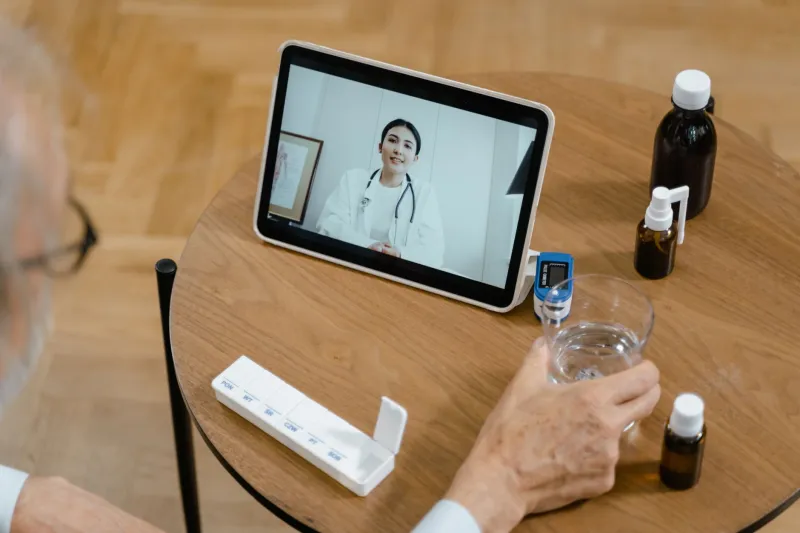
Telehealth has made accessing prescriptions faster and more convenient than at any point in American medical history—but convenience and safety are not always the same thing. As millions of patients turn to online platforms for medication management, critical gaps in prescribing practices, follow-up monitoring, and drug interaction screening are beginning to surface. This article examines what patients need to know before treating a video appointment as a substitute for comprehensive medical car

Generic Medications vs. Brand-Name Drugs: The Truth About What You're Actually Paying For

Generic Medications vs. Brand-Name Drugs: The Truth About What You're Actually Paying For

Americans spend hundreds of billions of dollars on prescription medications each year, yet a significant portion of that spending may be unnecessary. Generic drugs are rigorously regulated by the FDA and scientifically required to deliver the same therapeutic effect as their brand-name counterparts — so why do so many patients still hesitate at the pharmacy counter? This article breaks down the science, the savings, and the misconceptions worth leaving behind.

Familiar but Risky: 5 Over-the-Counter Medications Most Americans Are Using the Wrong Way

Familiar but Risky: 5 Over-the-Counter Medications Most Americans Are Using the Wrong Way

Over-the-counter medications line the shelves of every American pharmacy and grocery store, often accompanied by the assumption that 'no prescription required' means 'no serious risk.' That assumption is wrong. PharmaciTical examines five of the most commonly misused OTC drugs, explaining the real dangers of improper use and providing clear, actionable guidance for safer self-care.